

Real-Time Location Systems (RTLS) are technological solutions used across sectors such as retail, logistics, industry and healthcare. They enable continuous monitoring and tracking of people and assets, improving productivity and internal efficiency, particularly in indoor environments. Often described as “indoor GPS”, RTLS solutions rely on wireless tags or receivers combined with technologies such as Sileme, Bluetooth Low Energy (BLE), Wi-Fi or Ultra Wideband (UWB). Indoor maps and digital floor plans enhance these systems by providing precise visualisation and navigation within complex facilities.
Main applications of real-time location systems
RTLS solutions support a wide range of use cases across multiple industries, delivering measurable benefits through accurate tracking and continuous asset visibility.
Improving productivity with RTLS in logistics
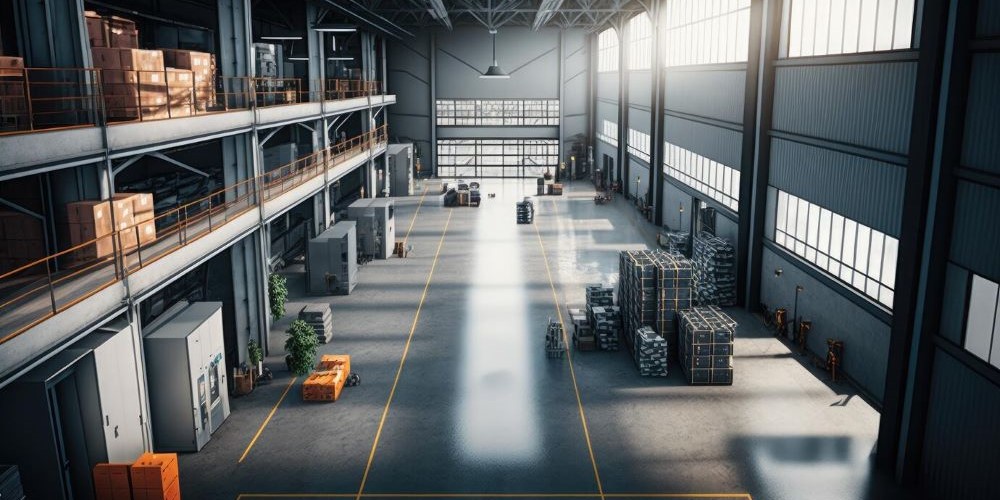
RTLS technologies significantly improve productivity by reducing downtime associated with asset searches. They provide accurate, real-time asset location within warehouses and logistics hubs, minimising search time and preventing discrepancies between recorded and actual positions. This is particularly valuable in dynamic warehouse environments where storage locations frequently change or where direct visual oversight is limited.
Benefits of RTLS in the industrial sector
In industrial settings, RTLS solutions optimise asset management and operational performance. They enable continuous tracking of equipment, tools and personnel, reducing time spent searching for resources and improving allocation efficiency. RTLS also enhances production flow monitoring and supply chain visibility, supporting more informed strategic decision-making.
Enhancing Management and Safety in Healthcare
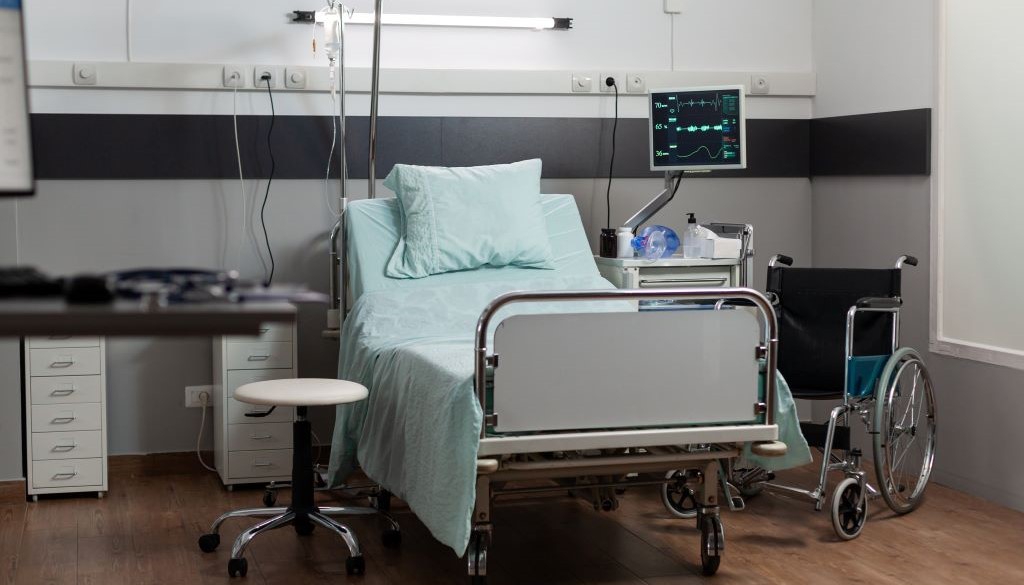
RTLS solutions are increasingly adopted in healthcare environments to improve hospital management and strengthen patient safety. They allow hospitals to track medical staff and mobile assets such as equipment and supplies, ensuring availability and efficient utilisation. Real-time patient visibility also improves guidance and reduces waiting times. In critical situations, accurate location information supports faster response and improved safety outcomes.
RTLS in Retail and Shopping Centres
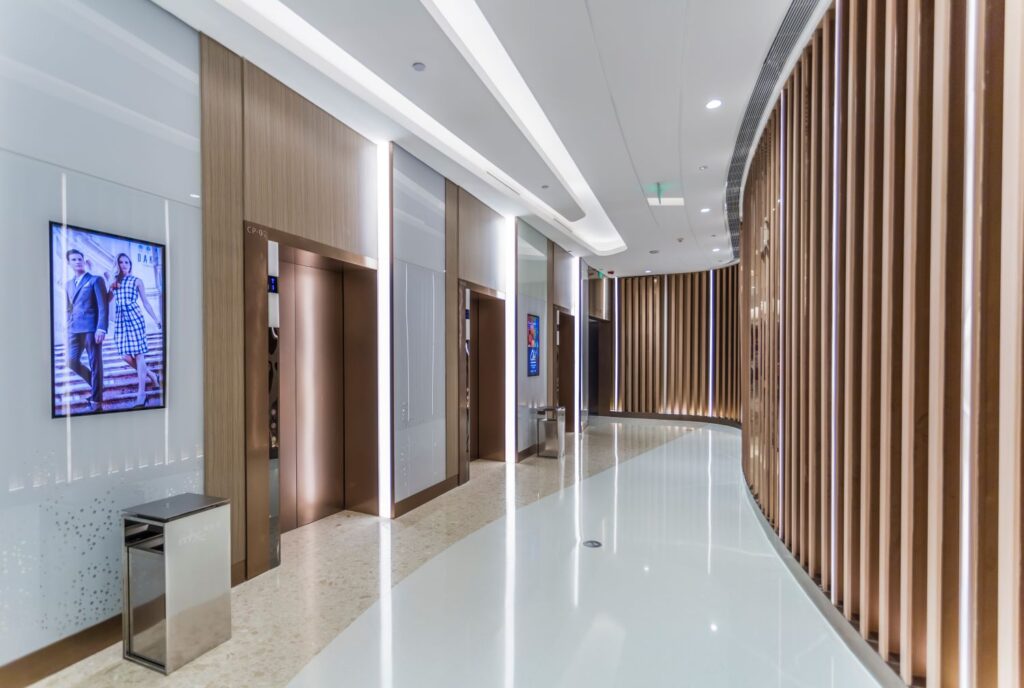
In retail environments, RTLS enhances both customer experience and operational efficiency. These systems enable real-time customer flow analysis, optimise product placement, identify traffic patterns and support personalised promotions. They also contribute to improved security by detecting unusual movement of valuable assets or monitoring restricted areas.
Technologies Used in Real-Time Location Systems
Real-time location systems (RTLS) use different technologies to determine the precise location of people and objects. Below are some of the most commonly used technologies in RTLS:
Bluetooth Low Energy (BLE): BLE enables energy-efficient wireless communication between devices. In RTLS applications, BLE tags emit signals detected by receivers to estimate location. While suitable for short-range indoor positioning, BLE typically offers limited accuracy and coverage, requiring dense antenna deployment.
Wi-Fi and Ultra Wideband (UWB): Wi-Fi-based positioning leverages existing wireless infrastructure to transmit location data from RTLS tags. Its main advantage lies in infrastructure reuse, although positioning accuracy is generally limited compared to dedicated location technologies. Ultra Wideband (UWB) enables highly accurate real-time positioning. However, performance can be affected in environments where line of sight between devices is limited, particularly in complex or obstacle-dense settings.
Sileme Technology: Sileme is a patented indoor positioning technology that does not rely on conventional communication-based systems. It enables reliable real-time tracking of physical assets in large indoor spaces, including complex and metallic environments. Through a proprietary signal architecture and advanced algorithms, Sileme delivers consistent accuracy and operational reliability. Sileme operates within both Indoor Positioning Systems (IPS) and RTLS frameworks, making it suitable for a broad range of facilities. It stands out for its ability to operate reliably in environments that present challenges for conventional technologies, such as highly metallic structures. Its architecture is purpose-built for positioning rather than communication.
Indoor Maps and Their Role in Real-Time Location Systems
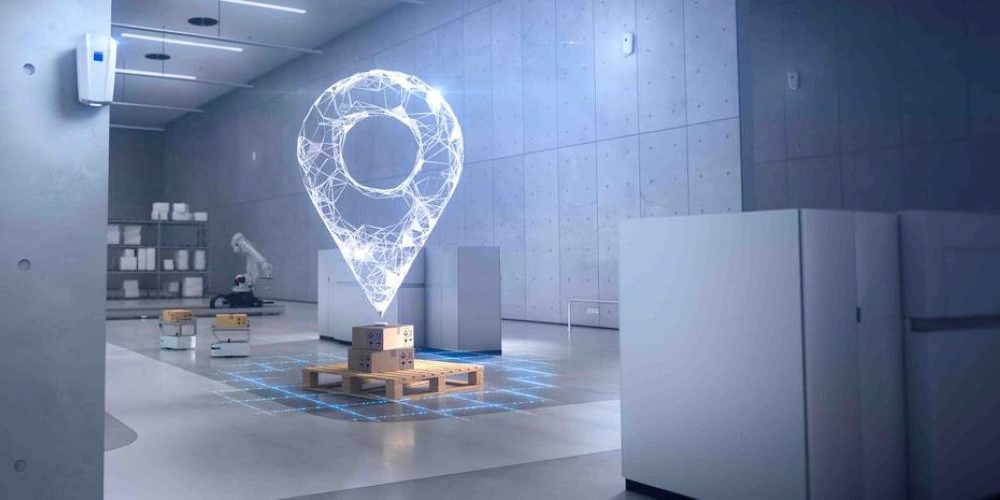
Indoor maps are essential components in the deployment of Real-Time Location Systems (RTLS). They provide accurate visualisation of the exact position of people and assets within indoor environments, enabling better operational oversight and asset control.
Creation and Use of Indoor Maps
Indoor maps are created through detailed spatial mapping of the target facility, documenting rooms, corridors, and structural elements. Accurate mapping is fundamental to ensuring efficient deployment and reliable performance of RTLS solutions.
- They provide clear, real-time visual insight into the exact location of people and assets.
- They optimize indoor operations by enabling rapid identification of asset positions and resource availability.
- They support data-driven decision-making and strategic planning by offering full visibility of asset distribution within the mapped area.
Components Supporting Real-Time Location Systems
RTLS solutions rely on several hardware components to operate effectively.
RTLS Beacons or Anchors
Beacons (or anchors) are installed at strategic points within a facility. They emit wireless signals that are detected by RTLS receivers, enabling accurate position calculation and continuous asset tracking.
IoT Sensors
IoT sensors collect additional environmental data such as temperature, humidity, or motion. Sileme receivers can integrate positioning data with IoT sensor inputs, delivering comprehensive asset monitoring within a single platform.
API Integration for RTLS Solutions
APIs act as integration gateways, enabling RTLS solutions to connect seamlessly with existing enterprise software systems. This ensures interoperability across departments and technologies.