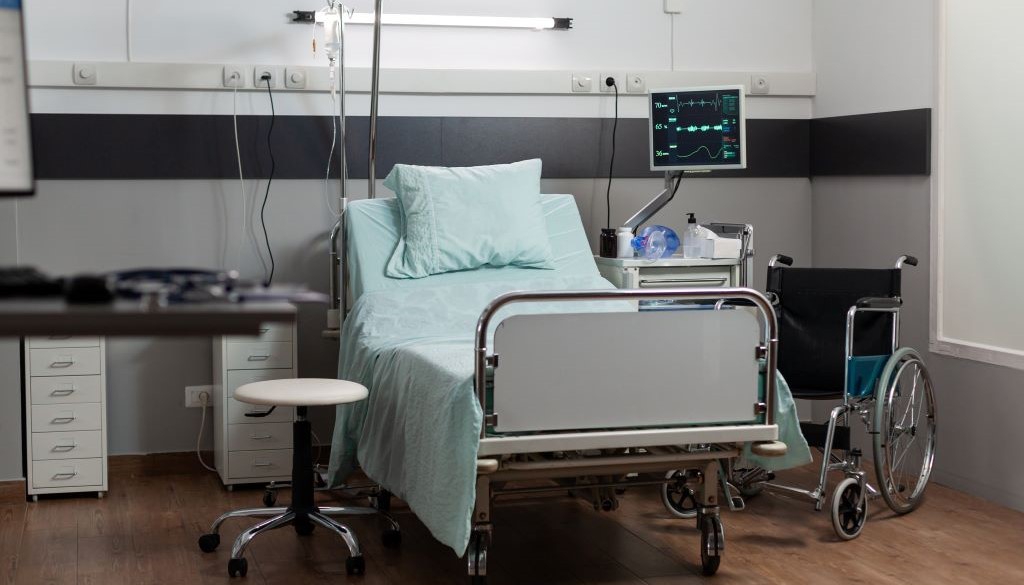


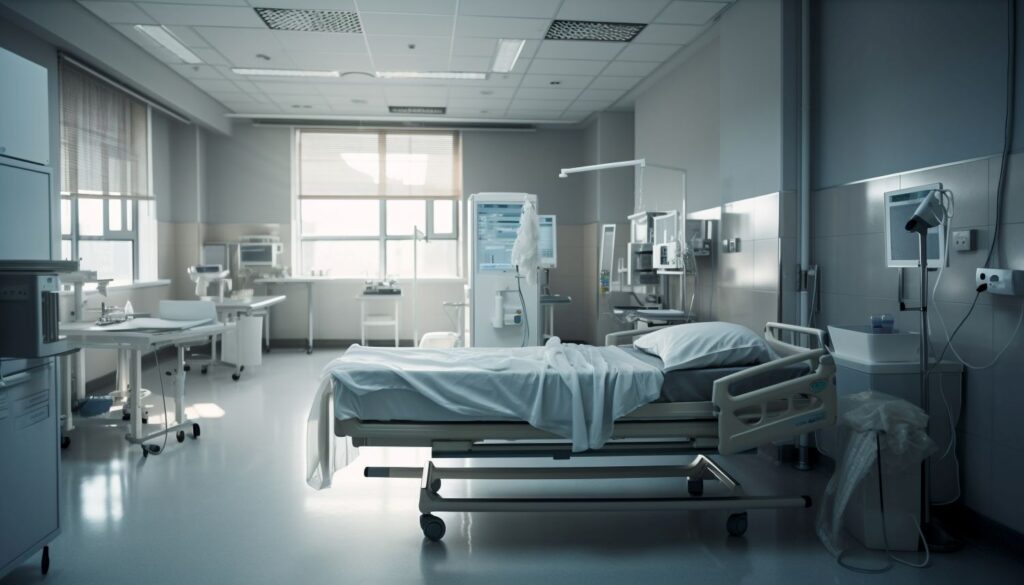
Within hospital management, one of the most challenging, and often underestimated, aspects is the management of medical assets. Every day, hospital staff spend considerable time searching for misplaced beds, missing wheelchairs or high-value medical equipment whose exact location is unknown. These situations lead to operational inefficiencies, reduced productivity and unnecessary costs caused by non-productive downtime.
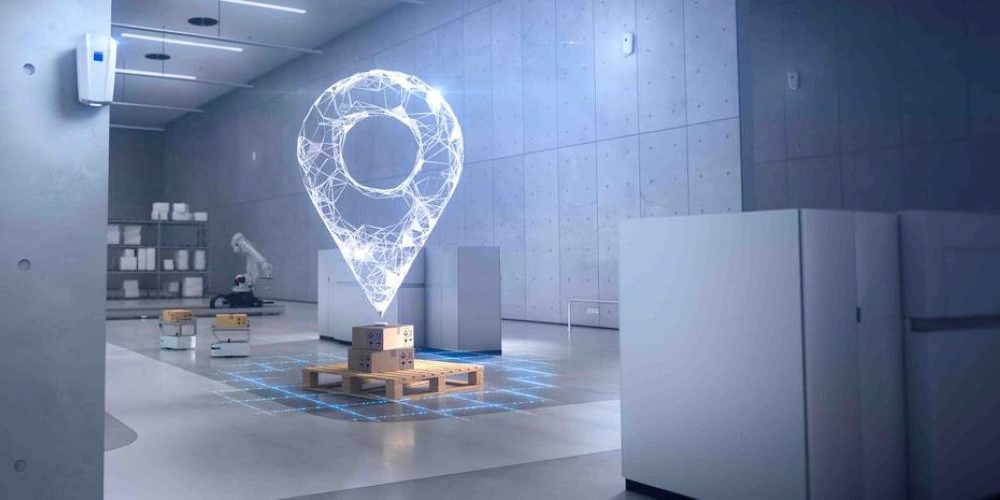
Real-Time Location Systems (RTLS) for medical assets provide a practical, scalable and cost-effective solution, often delivering a rapid return on investment. In addition, indoor positioning solutions contribute to enhancing patient safety and overall wellbeing. To implement these solutions, technologies such as Ultra Wideband (UWB), Bluetooth, RFID, Wi-Fi and Sileme are used, each offering different levels of performance, benefits and practical applications depending on the operational context.
The Importance of Hospital Management and Real-Time Asset Visibility
Effective hospital management is essential to ensure safe and efficient healthcare operations. Real-time tracking of medical assets plays a critical role in achieving this objective.
Optimisation of Operational Efficiency in Hospitals
Real-time tracking enables continuous monitoring of asset locations, facilitating task allocation, workforce coordination and informed decision-making within hospital operations. This improves internal processes and streamlines workflows, resulting in greater operational efficiency.
One of the primary challenges in hospital asset management is the time lost searching for equipment. In large medical centres, assets may also remain underutilised simply because their location is unknown. An indoor RTLS solution addresses these inefficiencies by reducing downtime and lowering operational costs.
Ensuring Patient Safety and Wellbeing
Real-time location systems also enhance patient safety and wellbeing. In certain scenarios, RTLS can be used to monitor patients directly, particularly individuals with cognitive impairments, such as elderly patients. By tracking beds, or even patients themselves, hospitals can significantly improve safety, enabling rapid assistance and preventing unauthorized departures from healthcare facilities.
Technologies Used for Real-Time Location of Medical Assets
In hospital management, various technologies are used to enable real-time tracking of medical assets. Each technology offers specific advantages and limitations that must be carefully evaluated before implementation.
Ultra Wideband (UWB) for Tracking Medical Assets
UWB is one of the most commonly used technologies for indoor real-time positioning. It enables asset tracking through high-precision radio signals. Its main advantage is accuracy, but it requires extensive infrastructure deployment and clear line of sight between antennas and receivers.
Bluetooth for Monitoring Hospital Assets
Its primary advantage is low hardware cost. However, it was originally designed for communication rather than positioning, resulting in limited accuracy and potential signal degradation in complex environments.
RFID in Hospital Management
Primarily an identification technology where assets are detected when passing through sensor gates. It is cost-effective but does not provide continuous location data, only confirming when an asset passes a control point.
Wi-Fi for Tracking Hospital Assets
The main advantage is that the infrastructure is already deployed in most hospitals. However, positioning accuracy is generally lower, and networks may face device capacity limitations.
SILEME as an RTLS Solution for Hospital Asset Management
Sileme provides high accuracy and reliable coverage, operating effectively in metallic environments without requiring line of sight. It strengthens protection by identifying medical equipment, patients, and staff. A complementary solution, Sileme SAC (Sileme Access Control), identifies when an individual crosses a defined access point, allowing hospitals to define tracking zones at different levels, from entire wings to individual rooms.
Search Times Without Real-Time Tracking and Deployment Models
Assessments show that, on average, hospital staff spend approximately 13.5 minutes searching for critical assets, and each nurse dedicates around 17.2 minutes per day to these searches. Real-time tracking eliminates manual searches, allowing staff to focus on quality patient care and reducing stress levels.
Receivers can be integrated in different ways:
- RTLS receivers integrated into hospital beds, powered by rechargeable batteries.
- Compact RTLS receivers attached to wheelchairs.
- RTLS receivers mounted on medical equipment using screws or adhesive systems.
Applications of Real-Time Location in Patient Management
Identification Wristbands for Real-Time Patient Tracking
These wristbands provide accurate location data for rapid emergency response. They can be linked to patient information, such as medical history, accessible via NFC technology.
Location and Time Records for Surgical Planning
Recording patient movements and timestamps helps optimise operating room management and room allocation. This contributes to more accurate estimation of waiting times and reduced transfer-related downtime.