

The logistics industry has evolved rapidly over the past decades, driven by technological advances that have enabled greater efficiency and operational optimisation. One of the key areas behind this progress is asset location, which plays a crucial role in supply chain management.
The importance of asset location in logistics
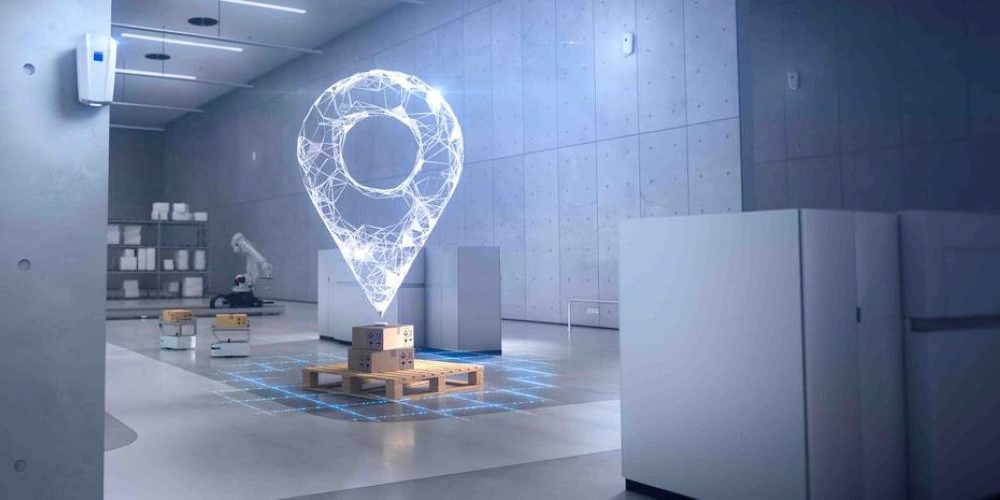
Asset tracking is a critical capability for companies, enabling them to manage production effectively and achieve efficiency, quality and safety objectives. As cost control becomes increasingly important, asset management has become a standard practice in supply chain operations, allowing organisations to leverage real-time information to make better decisions while strengthening their competitive position.
In this context, some of the key benefits provided by asset location solutions include:
- Route and resource optimisation: Advanced location systems such as Sileme enable continuous tracking of assets throughout the entire supply chain. This not only helps identify more efficient routes, but also supports smarter resource allocation, reducing costs and delivery times.
- Loss reduction: The ability to track assets in real time minimises the risk of loss and theft, while enabling efficient location of critical items.
- Improved customer experience: Greater asset visibility allows companies to provide accurate information about shipment status. This increases customer satisfaction by delivering transparency and reliability.
- Stock optimisation: Real-time information about the location and status of assets enables more accurate inventory management. Companies can avoid overproduction or shortages by maintaining optimal stock levels.
Operational Challenges Solved by a Positioning System
Poor organisation of logistics tasks can lead to issues that directly affect operational quality. To prevent this, a location system can be implemented to maintain control over the overall performance of facilities and their assets. Specifically, an asset location system enables:
- Monitoring personnel location within the facility: Real-time location information can be obtained for all employees or specialised equipment units within the logistics centre.
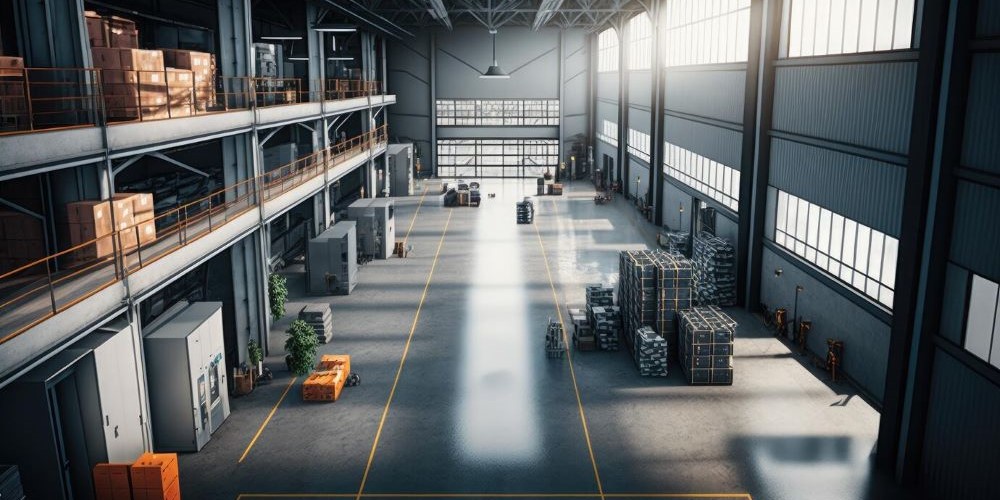
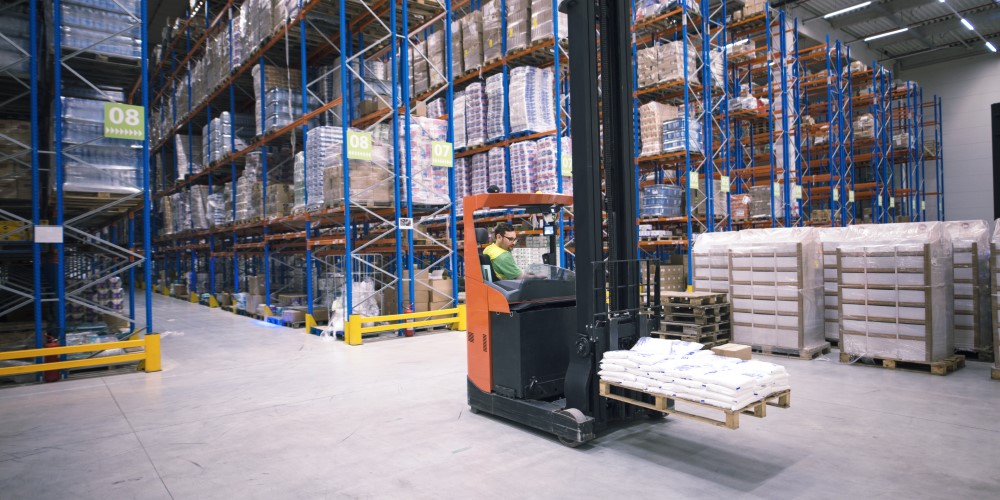
- Load tracking: The location system makes it possible to determine the position of loads, optimising forklift operations and reducing the time required to move goods within the warehouse.
- Efficient inventory management: Knowing in real time where pallets are located within a warehouse or distribution centre significantly reduces search and picking times.
- Locating and monitoring tools and machinery: Under high operational demand, being able to locate these tools ensures tasks are completed quickly and efficiently.
- Access control to restricted areas: Monitoring employee presence in specific facility areas and preventing breaches of defined access levels and hazardous zones.
- Workflow optimisation: The location system can help determine how the layout of different areas can be modified to improve and streamline the processes carried out within them.
- Bottleneck detection: Bottlenecks or areas where workflow slows down and disrupts production flow can also be identified. In many cases, such issues stem from a lack of visibility into operational processes, directly affecting execution.
Sileme: Taking Indoor Location to the Next Level
Sileme is a technology designed to address all these challenges and solve indoor location problems. Developed and patented by Skylife, its main objective is to provide companies with real-time visibility of their assets, enabling more accurate planning and informed decision-making. Its main advantage over technologies such as Wi-Fi, Bluetooth or hybrid solutions lies in its high efficiency and accuracy in complex or critical environments with a strong presence of metallic elements.
This makes it particularly suitable for industrial environments and logistics centres. In summary, asset location has become an essential element of modern logistics. In this context, Sileme has the potential to redefine how companies manage their operations, delivering efficiency, security and transparency at every stage of the process. It stands as one of the most advanced indoor location systems available today, offering high accuracy, no line-of-sight requirements and reliable performance in complex, metal-dense environments.