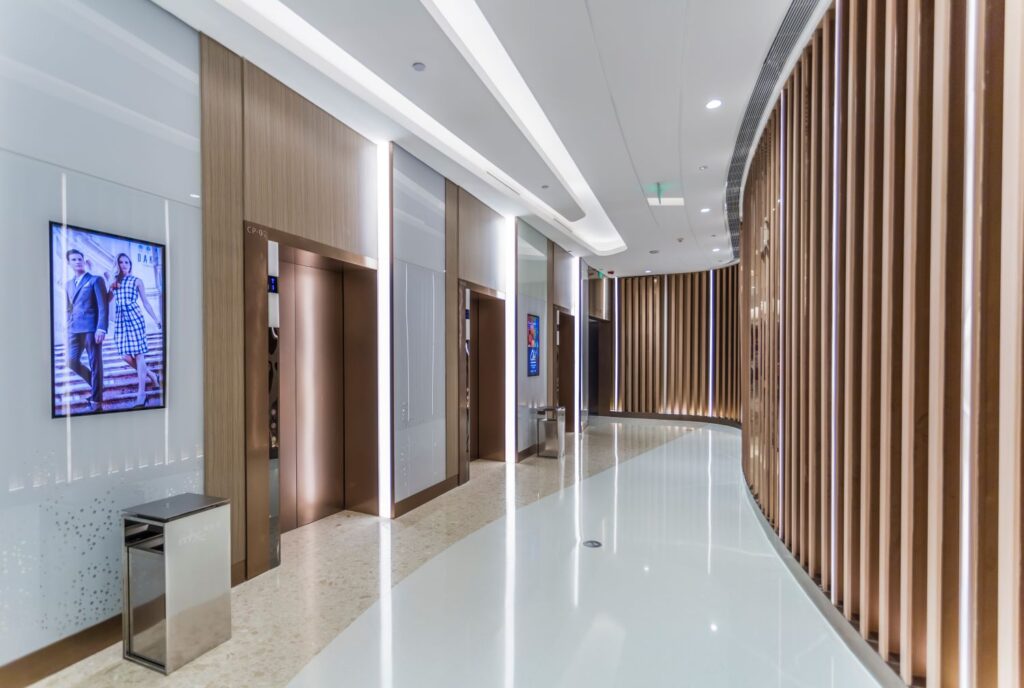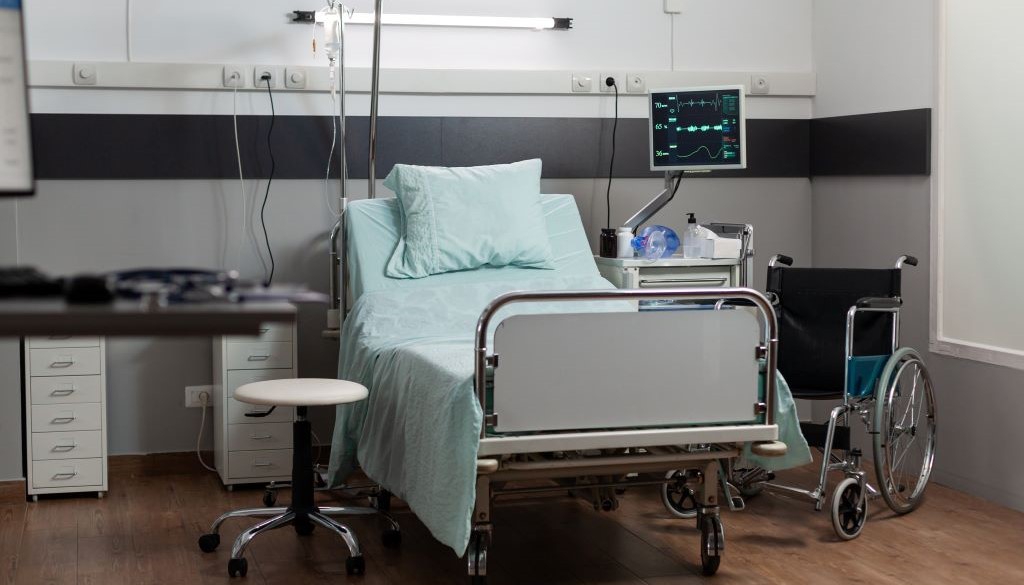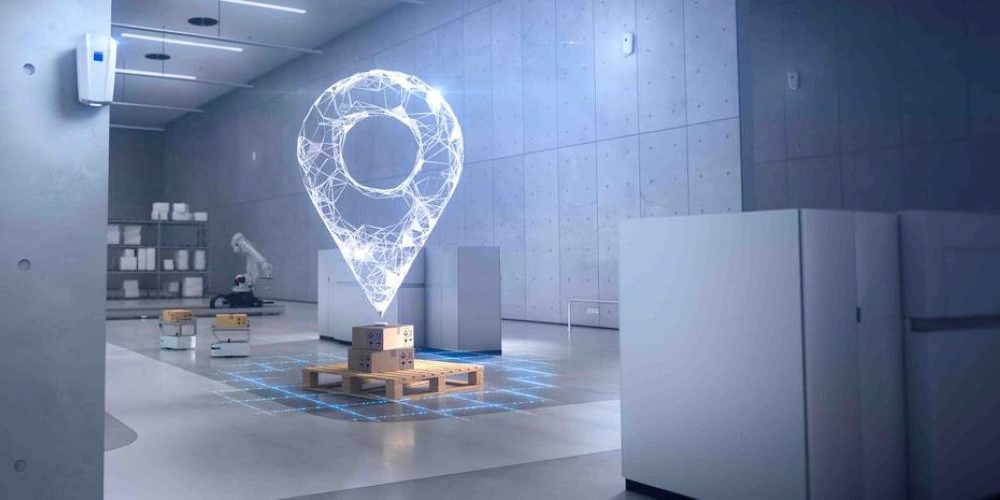



Indoor positioning has become a critical enabler across multiple industries. From enhancing visitor experience in complex facilities such as hospitals, airports and shopping centres, to optimising warehouse and distribution centre operations, accurate indoor location data is now a strategic asset. With multiple technologies competing to deliver precision and reliability, understanding their respective strengths and limitations is essential. Below, we examine the most widely used indoor positioning technologies and assess how they perform in real operational environments.
Key factors when selecting an indoor location system
Indoor positioning technologies differ significantly in architecture, performance and deployment requirements. To properly evaluate their effectiveness, several critical factors must be considered:
- Accuracy: assesses how reliable the positioning signal is within a defined range and whether it can maintain consistent precision across different environments.
- Coverage: determines how far the signal can travel between devices. Environmental conditions directly affect coverage and influence the number of anchors or beacons required for deployment.
- Security: refers to the system’s ability to transmit data securely and protect user and operational privacy.
- Performance in metallic environments: evaluates the system’s ability to operate reliably in environments with steel structures, aluminium surfaces or dense materials that typically interfere with radio signals.
Indoor Positioning Technologies Compared
Wi-Fi
Wi-Fi-based positioning leverages existing network infrastructure, making it attractive from a deployment perspective. However, accuracy can fluctuate significantly due to signal interference, obstacles and network congestion. While it reduces initial infrastructure costs, achieving uniform coverage and consistent precision in large industrial spaces can be challenging.
Bluetooth
Bluetooth Low Energy (BLE) beacons are widely used for indoor positioning due to their low cost and ease of deployment. However, their signal strength is sensitive to environmental interference and high-density environments. To improve accuracy, large numbers of beacons must often be installed, increasing both infrastructure complexity and long-term maintenance costs.
Ultrasound
Ultrasound positioning systems use sound waves to determine location. While they can offer precision under controlled conditions, sound reflections and attenuation in complex environments may introduce positioning errors. Additionally, deploying a dedicated ultrasonic infrastructure can require significant effort and cost.
UWB
Ultra Wideband (UWB) uses short radio pulses to measure signal travel time with high precision. It performs well in environments with obstacles and signal variability. However, widespread adoption can be limited by interoperability constraints and the need for compatible hardware across all tracked devices. Deployment density may increase in environments where consistent line-of-sight between anchors and tracked assets cannot be guaranteed.
Sileme
Sileme is an advanced indoor positioning technology specifically engineered to overcome the limitations faced by traditional systems. It operates reliably in complex and highly metallic environments where most conventional technologies struggle. The solution delivers high accuracy and operational reliability with a minimal margin of error. Unlike many alternatives, it does not require direct line-of-sight between anchors and tracked assets. This makes it particularly suitable for logistics hubs, industrial facilities and complex public infrastructures. Moreover, Sileme achieves large-area coverage with significantly fewer anchors and reduced electrical infrastructure requirements, reducing deployment complexity and lowering total cost of ownership.